Every small or medium-sized enterprise (SME) or not-for-profit leader has lived some version of a "hard call" moment – when the stakes are high, resources are constrained, and there is no clear way forward. In moments like these, the answer won't be found in a step-by-step guide or through another stack of analytics. What guides a leader through is something deeper: character.
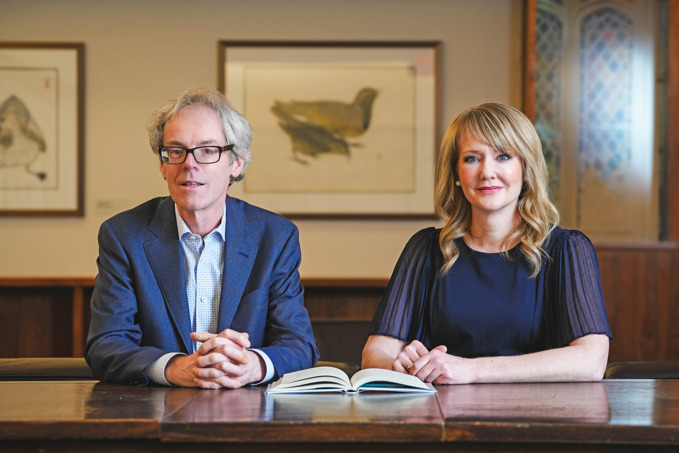
At Impact Live – The hard call: Candid conversations on leadership and character, Kimberley Milani, Director of the Ian O. Ihnatowycz Institute for Leadership at Ivey Business School, convened three leaders to unpack some of the hardest calls of their careers – and the character they drew on to meet the moment: Neil Hetherington, EMBA '13, CEO of Daily Bread Food Bank; Shirley Zhong, HBA '26, co-founder and COO of Xatoms; and Peter Katz, Juno-nominated musician, Speaker Hall of Fame inductee, and leadership facilitator.
Their conversation surfaced five insights worth carrying back to the desk.
1. When the numbers don't decide, character does.
Business leaders have more data and analysis at their fingertips than ever. But the hardest decisions rarely come with clear answers in a spreadsheet. They require sound judgment, particularly when the stakes are high and the pressure is on. In Ivey's Leader Character Framework, judgment sits at the centre of 11 interconnected dimensions of character, from courage and humility to integrity and transcendence. The strength of each dimension interact and influence how leaders assess a situation and decide to act.
The takeaway: Data can take you only so far. When the stakes are high and the answers aren't clear, it's your judgment – shaped by your character – that guides the way forward.
2. Character is built in the everyday.
Character is not something you are born with – it’s more like a muscle. And, like muscles, it grows stronger with exercise. Courage, for example, develops through small acts of bravery: winning your first customer, inviting philanthropic support, or pushing through and adapting when a product or service doesn't work. Temperance is trained through mindfulness, physical regulation, and the small daily practice of pausing for a breath before responding to a problem. Humility grows by remaining curious, engaging in lifelong learning, and deliberately putting yourself in situations where you don't have all the answers. These everyday reps may not be glamorous, but they prepare leaders for the moments that matter most.
The takeaway: Character grows stronger through regular use. Every interaction and decision is a chance to practise the qualities you will need when the hard calls come.
3. Know what you stand for before it's tested.
When a donor, investor, or customer offers resources that conflict with an organization's mission, saying no can be difficult. But leaders with strong character know what they stand for and have the conviction to act on it. When values are clearly defined and shared across an organization, they become a compass for everyday decisions, from hiring to partnerships. Especially in resource-constrained organizations, that clarity can mean the difference between protecting the mission and slowly drifting away from it.
The takeaway: Be clear about what you stand for before the pressure to compromise arrives.
4. What you celebrate, you strengthen.
Values statements alone don't change behaviour. The stories organizations tell do. If leaders want to encourage more collaboration, courage, or integrity, they need to create regular opportunities to recognize and celebrate those behaviours, whether in weekly team meetings, quarterly reviews, or annual gatherings. Sharing real examples shows people what those values look like in action and inspires others to follow suit. After all, we become what we celebrate.
The takeaway: Don't just tell people what your organization values. Show them by recognizing the behaviours you want to see more of.
5. Don't make the hard calls alone.
Great leaders know when to steady the ship and when to shake things up. They bring calm to chaos but challenge the status quo when things get too comfortable. Both require the confidence to stand by tough decisions and the humility to admit when they are wrong. But taking that counter-cyclic role can be lonely, which makes having trusted peers essential. Surround yourself with people who know you well enough to challenge your thinking, call you out, and keep you grounded.
The takeaway: Leadership can be lonely – especially when you must go against the grain. Surround yourself with trusted peers who will challenge you and keep you grounded.
Ultimately, making the hardest calls isn't about rising to one defining moment. It's about the character you have built long before that moment arrives. And part of that character is knowing how to keep things in perspective, even when the pressure is on. As Neil Hetherington put it: "Take your job seriously, and the people you work with seriously – but not yourself."
Watch the full Impact Live webinar, The hard call: Candid conversations on leadership and character, on Ivey Impact or Ivey’s YouTube channel.