
Too Much of a Good Thing: When Does Greater Performance Measurement Frequency Lead to Less Learning?
A firm’s performance measurement system serves an important decision-facilitating function by providing employees with performance information that facilitates their learning. Due to recent technological advancements, firms can provide their employees with performance information on a more frequent basis, which has the potential to boost employees’ learning. Using an experiment, we demonstrate the extent to which these benefits materialize depends on how employees learn. Specifically, increasing performance measurement frequency boosts experiential learning (learning from one’s own experiences) by providing more timely information, but hinders vicarious learning (learning from others’ experiences) by inducing more myopic information processing. The key insights of our study are that the effects of performance measurement frequency are more nuanced than previously thought, and that the net benefit of greater performance measurement frequency may depend on the relative importance of fostering experiential versus vicarious learning.
Willie Choi
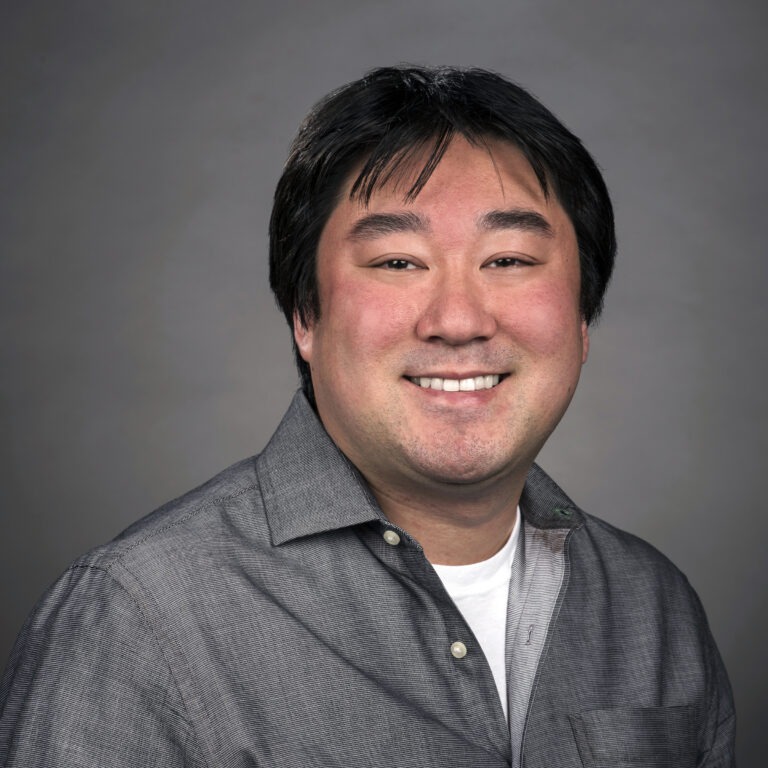
Willie (Jongwoon) Choi is an Associate Professor in the Department of Accounting and Information Systems. Willie earned his BSBA from Washington University in St. Louis, his MAcc from Ohio State University, and his PhD from Emory University.
Willie specializes in managerial accounting. He teaches both undergraduate and graduate management accounting courses, as well as PhD courses in experimental accounting research. In his research, he examines the use of accounting information in managerial decision-making, with an emphasis on strategic performance measurement systems and performance evaluation and reward systems.
Willie has received several awards for his teaching and research. Poets and Quants also recognized him in its annual list of the "40 under 40 Most Outstanding Business Professors."