MBA ’26 candidate Miranda Lee reflects on the Ivey MBA study trip to Dubai and Abu Dhabi, where visits with energy, logistics, finance, and sustainability leaders highlighted how the UAE is deliberately building for long-term resilience and innovation.
The Ivey MBA study trip to Dubai and Abu Dhabi was a welcome change from our traditional classroom setting (and a welcome break from Ontario winter). We spent the week engaging with local professionals, seeing businesses up close, and getting a feel for how industry works in a different cultural context. Being in this new environment together also helped strengthen connections within our cohort.
For many of us, it was our first time in the Middle East. I expected Dubai to be modern and impressive, but my knowledge of the UAE was admittedly limited. I was excited to have my assumptions challenged and learn more about the culture, history, and economic drivers behind the region’s rapid growth.
What became clear throughout our trip was how intentionally the UAE is planning for a sustainable future. This is a country whose economy was built on oil, but so much of what we saw focused on innovation and investments to shift away from a reliance on fossil fuels. It made me think a lot about what it means to stay resilient and relevant as conditions change, a theme that came up repeatedly throughout the week.
ACWA Power and Noor Energy 1 – A closer look at clean energy
A major aspect of the trip was a business challenge with ACWA Power, a developer, investor, and operator of power generation and desalinated water plants. We were asked to propose a bold new idea for its next 15-plus-year horizon, a task that pushed us to think big and strategically. ACWA Power is the largest private power producer in the Middle East with a portfolio of renewable energy assets such as green hydrogen, wind, and solar. Working under tight timelines with limited information felt like a preview of the real strategic work many of us hope to take on after the MBA.
At the company's Dubai office, we met Lana El Chaar, Strategy Director, and Ozgur Serin, Head of Corporate Strategy, who outlined ACWA Power’s business model and goals of reaching $250 billion USD in assets under management by 2030. Their strategy reflected the region’s broader shift toward renewable energy and long-term resilience. It was clear that business as usual was not part of their mindset.
Later that day, we visited Noor Energy 1, a utility-scale solar project. As an engineer from the hydropower industry, I was especially excited for this. The facility has a power capacity of nearly one gigawatt, which is comparable to (or even greater than) some of the hydroelectric dams I used to work on. We were introduced to concentrated solar power (CSP), a technology that allows the plant to generate electricity 24/7.
Seeing the scale of Noor Energy 1 made Dubai’s Clean Energy Strategy 2050 feel much more tangible. For a region known for its success from oil, the level of commitment to renewables was surprising and impressive. This was an example of what it looks like to build for the future actively, rather than relying on what worked in the past.
DP World and DIFC – Infrastructure behind a global hub
The next day gave us a look into the systems enabling Dubai’s global presence, specifically in trade, finance, and innovation.
The first was a tour of DP World operating at Jebel Ali Port. As the busiest port in the Middle East, Jebel Ali has made Dubai a critical link for international supply chains. The scale was striking: massive cranes, complex remote operations, and what felt like endless rows of organized shipping containers. To overcome land constraints, DP World is even expanding vertically, developing advanced autonomous stacking systems.
Then, at the Dubai International Financial Centre (DIFC), we learned about its ecosystem for attracting technological innovation and international business. As a designated economic “free zone” with independent regulatory frameworks, the DIFC demonstrates how deliberately the UAE has built the conditions to further grow and diversify its economy.
Both visits gave me a deeper appreciation for how Dubai has accelerated as a global hub in just a few decades through long-term vision and ambitious development. It also brought many of the concepts on economic growth from our macroeconomics course in Core to life.
Abu Dhabi and Masdar City – A look at the past and future
Our day in Abu Dhabi offered a nice balance between tradition and innovation.
We visited Qasr Al Watan and the Sheikh Zayed Grand Mosque – architecturally stunning landmarks that gave insight into the UAE’s heritage and cultural identity.
Masdar City, on the other hand, felt like a look into the future. Designed to be a sustainable urban development, it is powered by renewable energy to reduce carbon emissions. Riding in their autonomous electric vehicles felt almost surreal. Even though the city is still developing, it offered a glimpse of what eco-living could look like in the years ahead.
SGS – Lessons in leadership
Later in the week, we visited SGS, a leading testing, inspection, and certification company. We toured its labs and learned about how the company ensures consumer safety through product testing. Anand Nair, SGS’s Regional Director and Head of Business, shared leadership insights, specifically about adapting to change, staying open to opportunities, and creating value at work. His reflections tied together many of the themes we had seen that week, especially as MBA students. Just as the UAE is preparing for a different economic future, we will also need to stay adaptable in our own careers as the world continues to change.
A desert finale
We closed the trip with an exciting adventure in the desert – dune bashing, sandboarding, and watching the sunset on the dunes. Our final dinner together, complete with camels and Arabian horses, was the perfect ending to an intensive but rewarding week.
A lasting perspective
One of my biggest takeaways was the incredible hospitality. Every organization we visited made time for us, answered our questions, and seemed genuinely excited to share their work. And of course, the food – there are no words!
But the part that will stay with me the most is experiencing all of this alongside my classmates. Exploring a new country together helped build stronger connections and made the trip feel even more special.
Overall, the week gave me a clearer sense of how the UAE is preparing for its future through sustainable innovation, bold long-term planning, and a willingness to rethink what’s possible. Those themes, along with the business challenge, were a reminder of the value of thinking bigger and further ahead.
It’s a mindset I hope to carry with me long after the program ends.
View more photos below
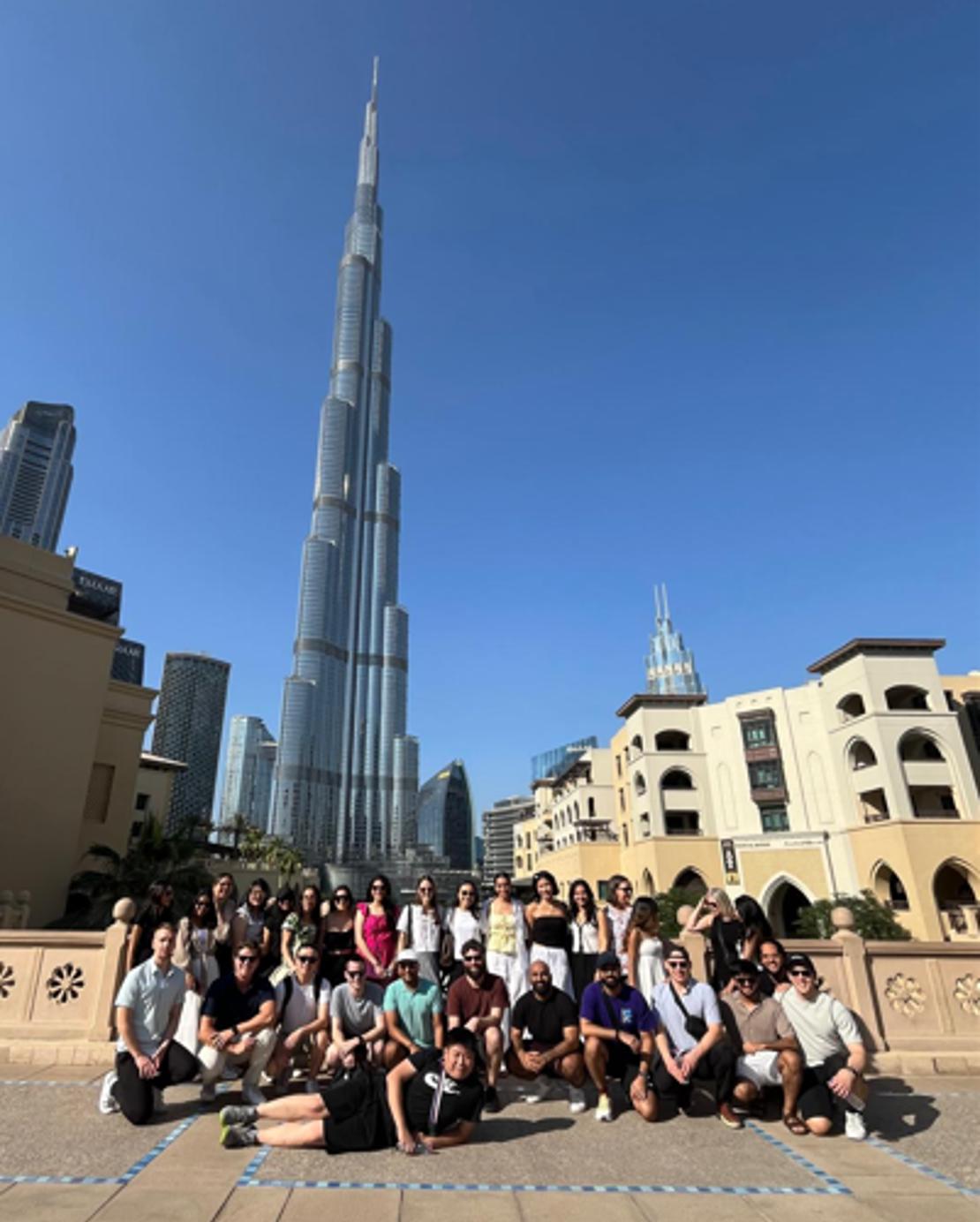
The Ivey group in front of the Burj Khalifa
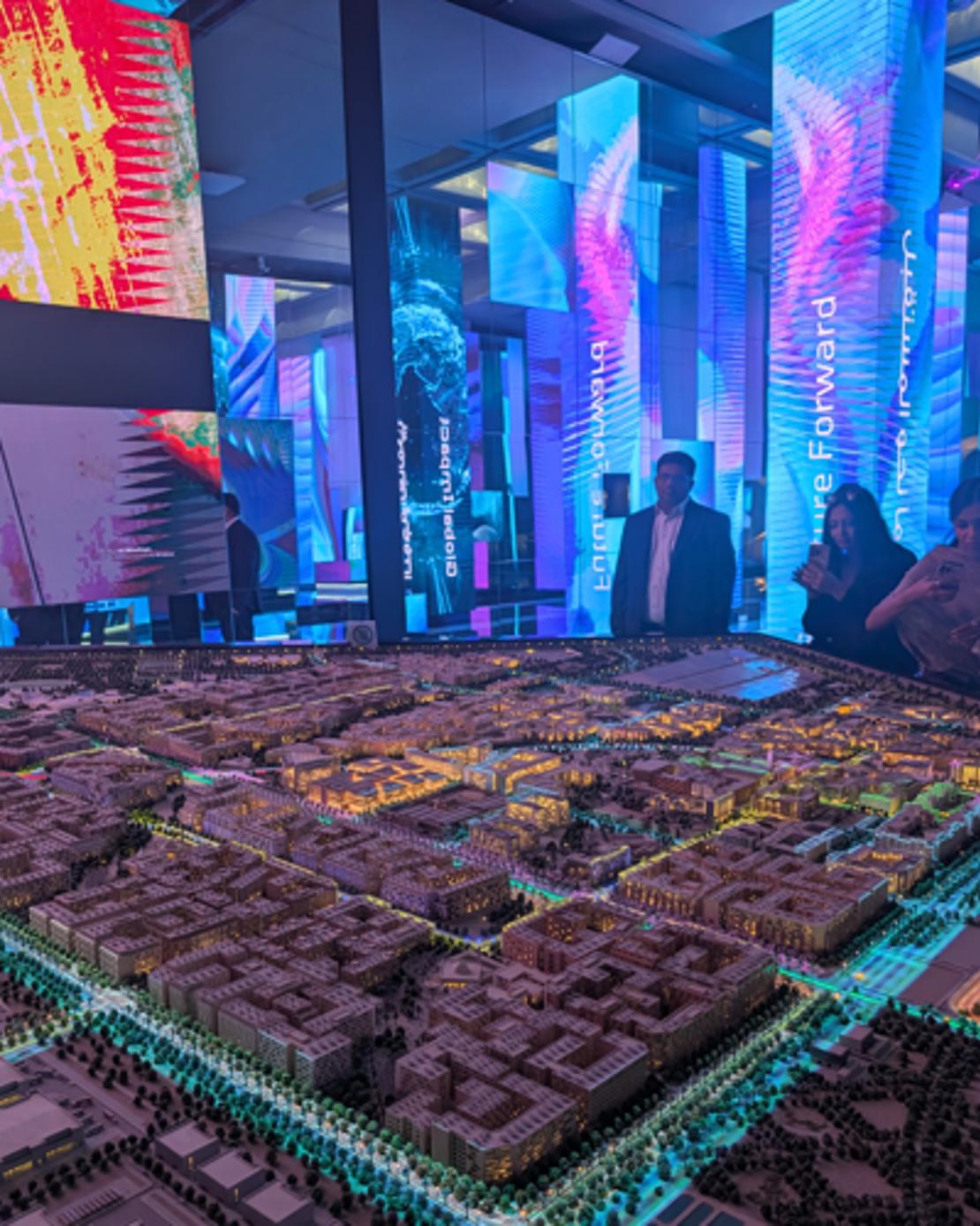
A model of Masdar City in the Visitor Center
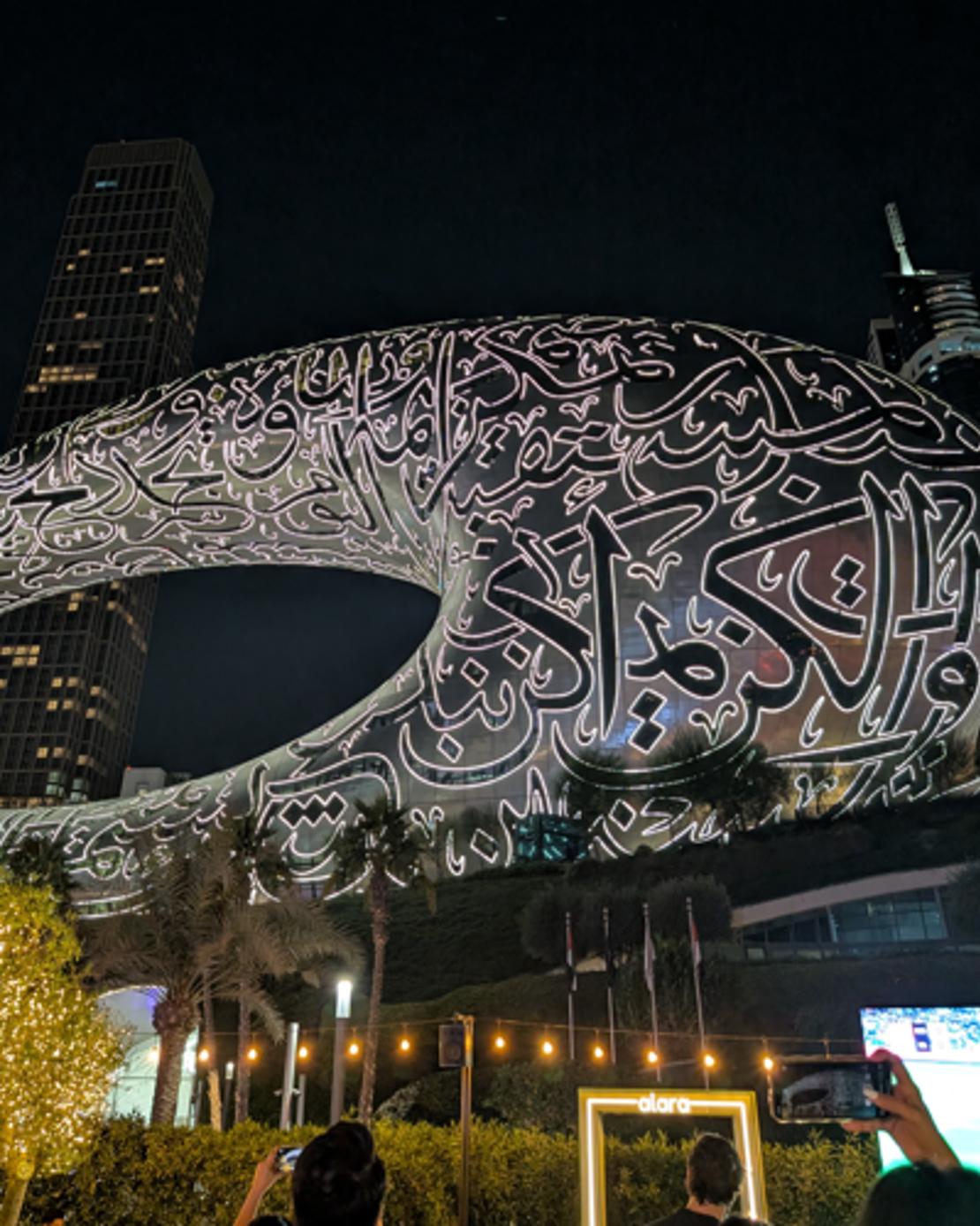
The Museum of the Future in the financial district set up for the Ivey Alumni and Friends Reception Event
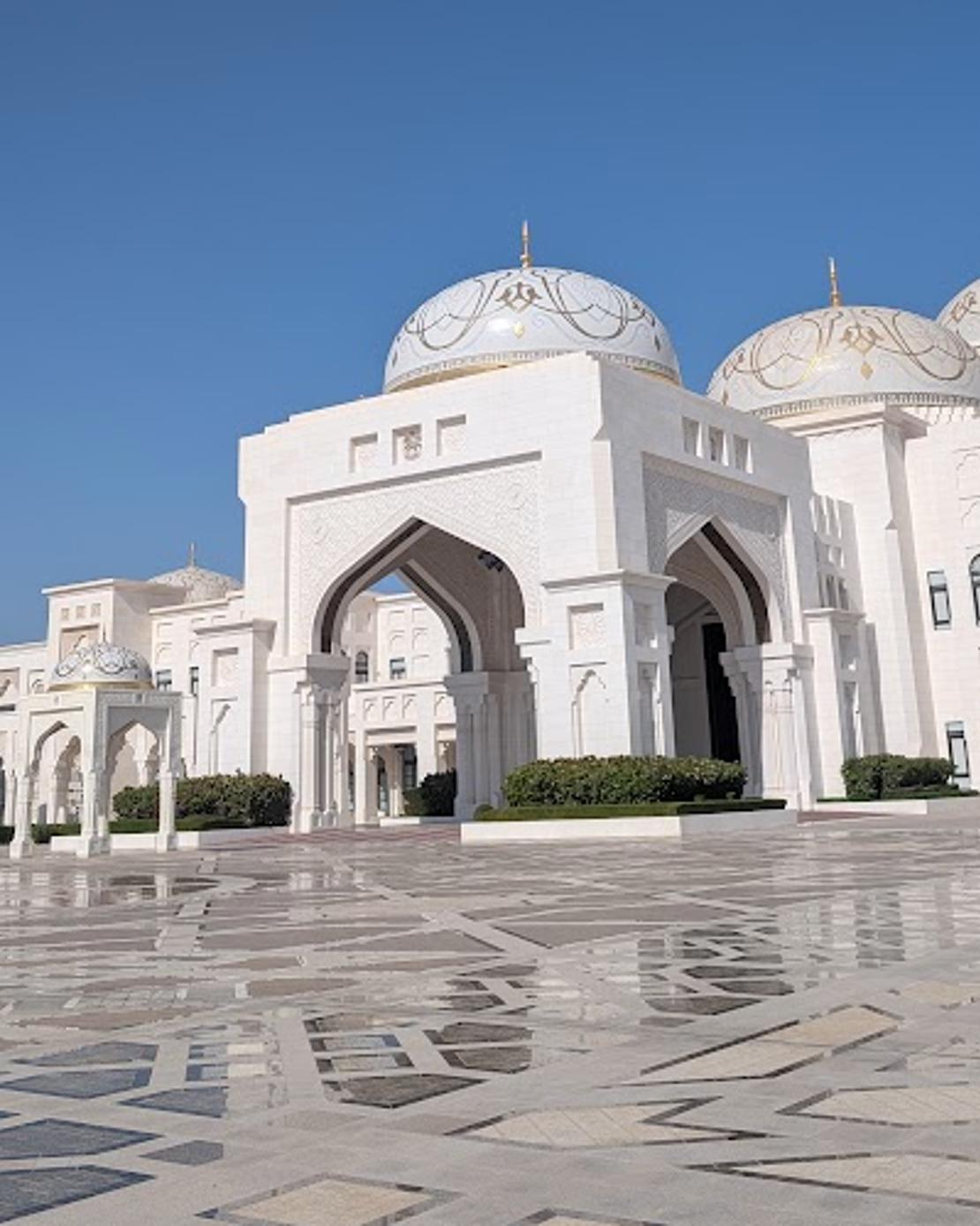
Qasr Al Watan, the Presidential Palace In Abu Dhabi
Related Articles