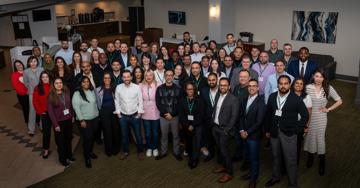
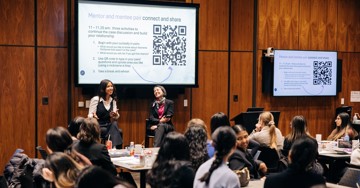
During the 2026 Ivey EMBA Discovery Expedition, Brennan Roy-Bertin, EMBA ’26 candidate, and classmates were in Vietnam for a week of business visits, project work, and cultural immersion. In the reflection below, Roy-Bertin, with contributions from fellow EMBA ’26 candidate Emman Price, shares how the experience challenged the cohort to think differently about leadership, strategy, and global business.
When you begin Ivey’s Executive MBA program, the emerging market Discovery Expedition feels like a distant milestone. There are cases to read, classes to attend, and assignments to complete alongside demanding careers. Then, almost suddenly, bags are packed and passports stamped. From March 22 to 28, our cohort travelled to Vietnam to experience international business beyond the classroom – in the streets, boardrooms, factories, and local markets of one of Southeast Asia’s most dynamic economies.
Past EMBA participants describe the trip as a chance to bring classroom theory to life and better understand a fast-growing market. That was certainly true for our cohort, but what stood out most was something more human: the ambition, curiosity, and entrepreneurial energy of the people we met.
Vietnam is not a market you can understand from a case study alone; it needs to be experienced firsthand.
An economy built on movement
One of my strongest impressions was that entrepreneurship seemed to be everywhere. Storefronts by day became living rooms by night. Small businesses were not separate from daily life; they were woven directly into it. That energy was hard to miss. People were constantly building, selling, adapting, and improving.
That same energy was visible in larger organizations as well. My group visited CMC Corporation’s data center, and we were struck by the speed of its growth, both domestically and internationally. It reminded us that Vietnam’s economy is not only driven by small businesses and local trade, but also by sophisticated technology infrastructure and globally competitive capabilities.
The same ambition appeared across the broader expedition. Our cohort visited manufacturers, coffee producers, chocolatiers, circular plastics companies, and startups. Manufacturing highlighted the realities of scale, labour, quality, and export competitiveness, while coffee, chocolate, and circular plastics companies demonstrated how Vietnamese businesses are moving toward higher value and more sustainable growth.
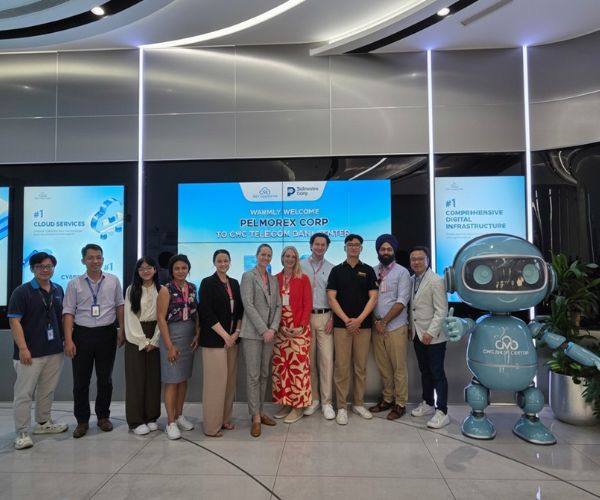
(Photo above) Visiting CMC Corporation’s data center
Ten teams, real business opportunities
And of course, a defining part of the expedition was the project work. Our cohort of 60 leaders split into 10 teams, each focused on a live business challenge involving Vietnam, Canada, or the exchange of ideas, products, and capabilities between the two markets.
My team assessed whether Canada’s national alerting system could expand into Vietnam. The challenge was determining whether the system could fit Vietnam’s governance structure, communications channels, institutional priorities, and public safety needs. That forced us to think beyond concepts we are accustomed to in Canada and consider local implications of stakeholder alignment, trust, implementation complexity, and the role of local partners.
Overall, teams explored opportunities involving agriculture, venture capital, technology deployment, manufacturing, and market-entry strategy, while navigating customer behaviour, regulations, supply chains, and cultural context.
Together, the projects demonstrated how quickly our EMBA classroom frameworks became real-world decisions. We were not simply observing Vietnam. We were applying strategy in an impactful way across a variety of industries.
The role of partners on the ground
One of the most important enablers of the week was the support we received from Canada’s trade representatives in Vietnam. Annie Dubé, Canada’s Consul General in Vietnam, and her team supported many of our teams as we met with companies, studied the local market, and navigated the realities of doing business in Ho Chi Minh City.
In an unfamiliar market, access and context are everything, and the trade team helped bridge the gap between Canadian assumptions and Vietnamese realities. They helped our teams ask better questions, test our thinking, and understand where Canadian businesses may have a role to play.
Relationships before transactions
A recurring theme throughout the week was the importance of relationships. Vietnam is a fast-growing economy with clear opportunities, but it is not a market where outsiders should expect to arrive with a pitch deck and immediately understand how to win.
Local executives and entrepreneurs helped our cohort understand not just what was happening in the market, but why. They spoke openly about operational constraints, cultural expectations, pricing pressure, growth ambitions, and trust.
For leaders outside Vietnam, that may be the most important lesson. To expand into the country, it is not enough to bring capital, technology, or a Canadian operating model. Leaders need to match the ambition they will encounter there – with curiosity, humility, and a willingness to adapt. Vietnam does not reward passive interest; it requires commitment.
Culture, history, and the rhythm of the city
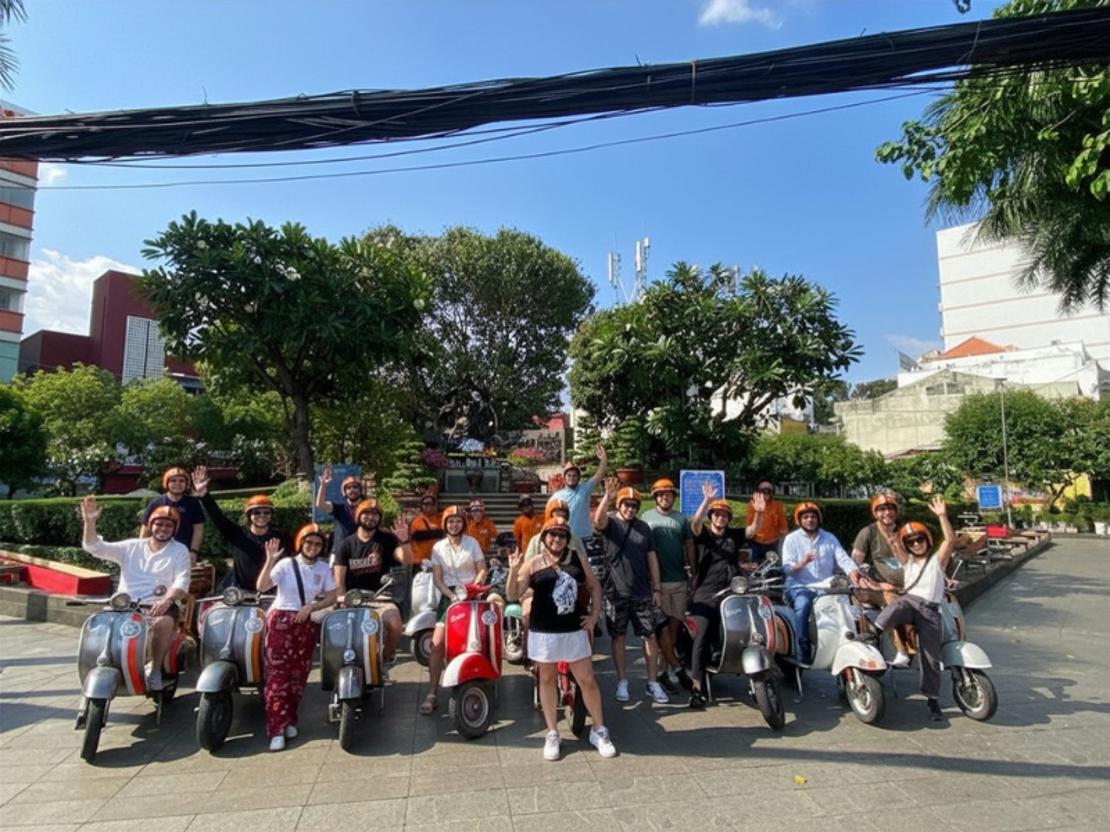
Visits to the Mekong Delta and Ho Chi Minh City gave the business learning more texture and a deeper appreciation for Vietnam’s culture and identity. For me, the cultural highlight was the Vespa tour through Ho Chi Minh City. At first glance, the traffic looks like chaos. Scooters move in every direction, carrying people, goods, and families. But after a while, you begin to see the flow. There is rhythm inside the disorder. Everyone is moving, adjusting, making space – and somehow the system works.
That image stayed with me because it also reflected part of what we were learning about business in Vietnam. The market can feel informal, fast-moving, and difficult to read, but over time, patterns begin to emerge. Relationships guide movement, local knowledge matters, and adaptability is essential.
A visit to the War Remnants Museum added another important layer. It offered a perspective on history many of us did not learn growing up in North America. That experience was uncomfortable, valuable, and necessary, reminding us that international business does not happen in a vacuum. History, memory, and national identity shape how countries see themselves and how they engage with the world.
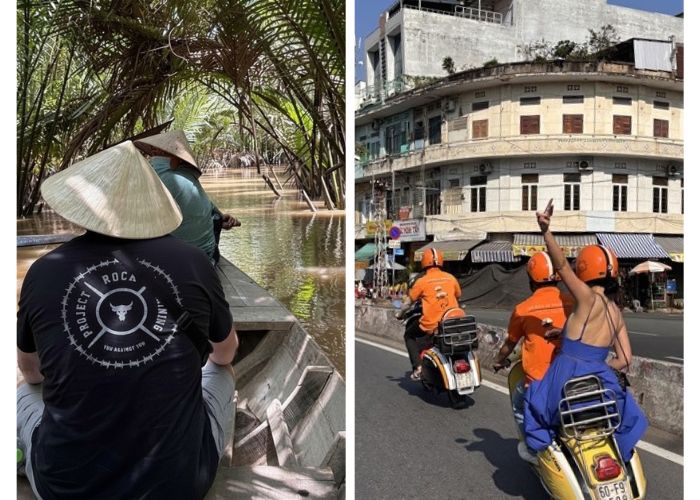
(Photo above) Left: EMBA participants exploring the Mekong Delta; Right: Emman Price (hand up) and fellow classmates touring Ho Chi Minh City by Vespa.
What Vietnam taught us about leadership
The leadership lesson I took from Vietnam was simple but powerful: ambition is contagious, but only if you are willing to meet it.
Everywhere we went, people were striving toward something bigger. Local leaders were curious, collaborative, and determined to grow and compete internationally. That level of drive challenges visiting leaders to raise their standards. It is easy to describe Vietnam as an emerging market, but that makes the country sound like it is waiting for others to bring opportunity to it. We observed a country actively building its future.
For Canadian businesses, the opportunity is real, but so is the responsibility to show up prepared. Vietnam deserves more than a market entry hypothesis built from a distance. It requires listening, local partnership, cultural respect, and the discipline to adapt the strategy when the facts on the ground challenge the original plan.
More than a trip
By the end of the week, the expedition had become more than an academic exercise. It brought our cohort closer together and broadened our perspective on global business.
We travelled as 60 leaders from different industries and backgrounds. We brought different assumptions into the country, worked on different projects, and took away different lessons. But the common thread was clear: Vietnam expanded our perspective.
The case method prepares you to ask better questions, but the real world tests whether you are willing to revise your answers. International growth requires more than strategy; it requires context, trust, and a willingness to understand people before doing business with them.
Vietnam reminded me why the Ivey Executive MBA experience works. The classroom gives you the frameworks, but the world gives you context. In Vietnam, our cohort saw strategy in motion, culture shaping commerce, and ambition operating at every level of the economy. We left with stronger business insight and a deeper respect for the people building Vietnam’s future.
View more photos from the trip below
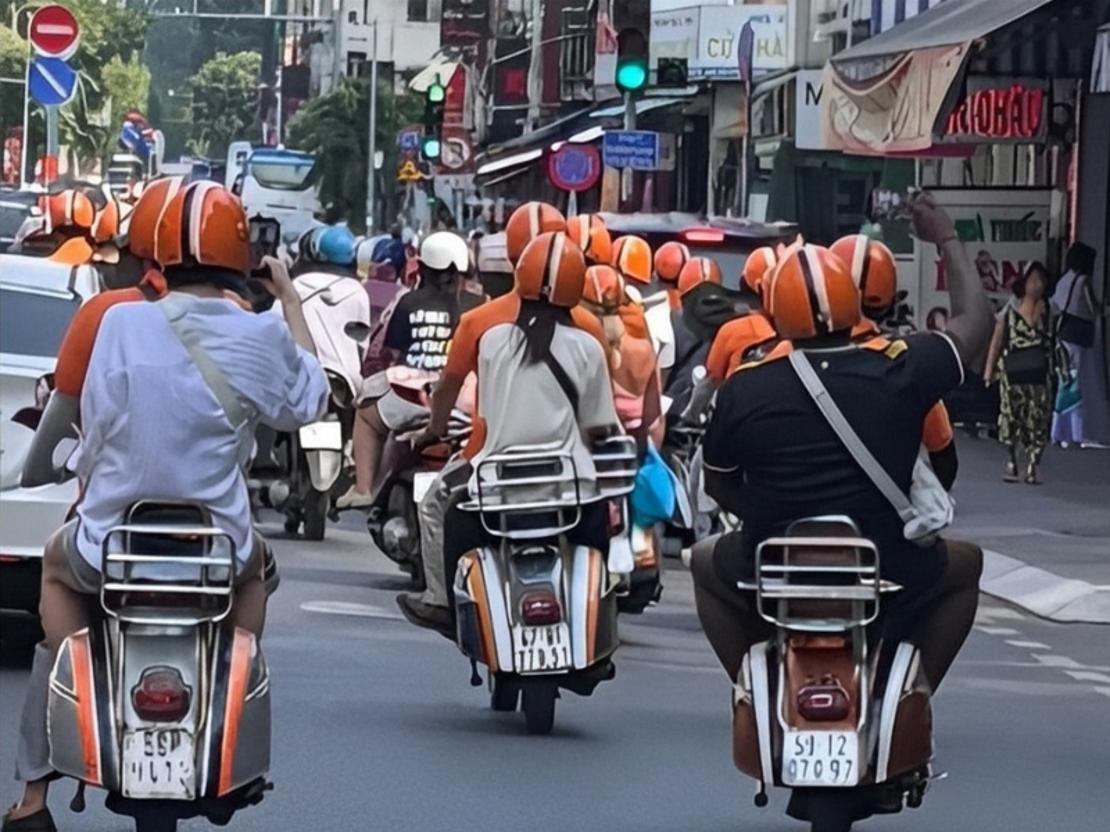
Travelling through a busy urban street
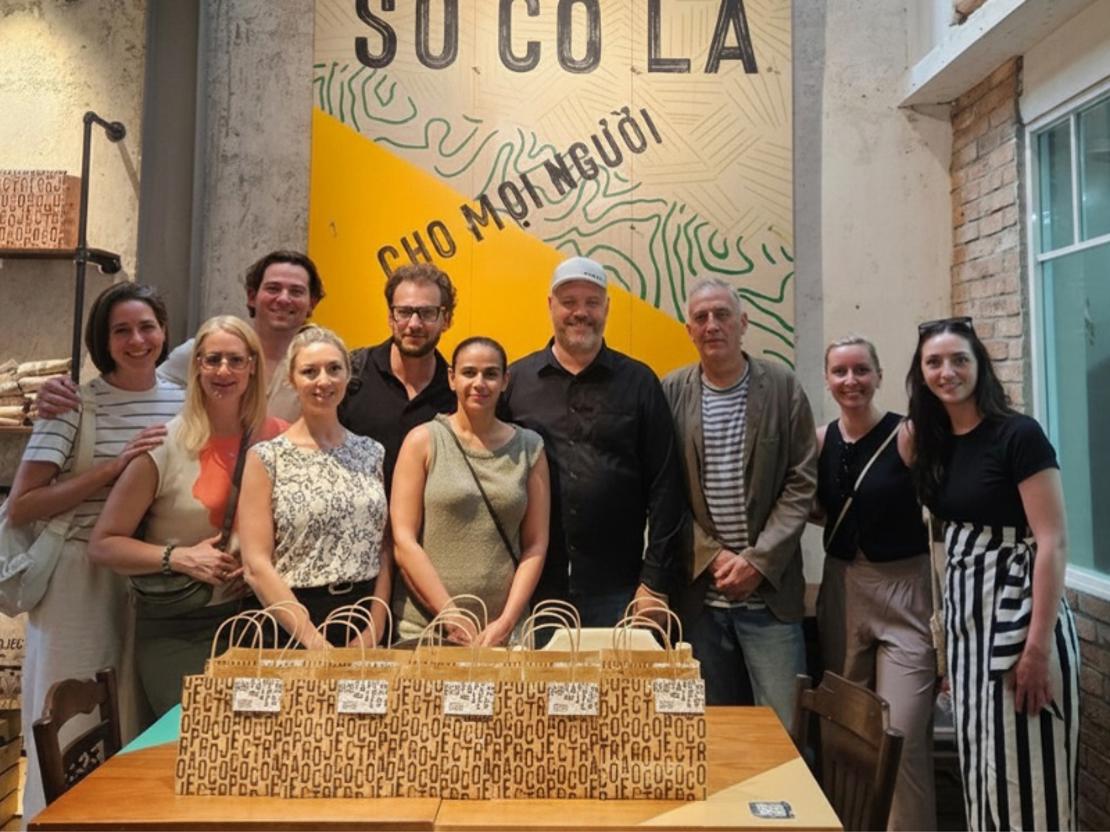
A visit to The Cocoa Project
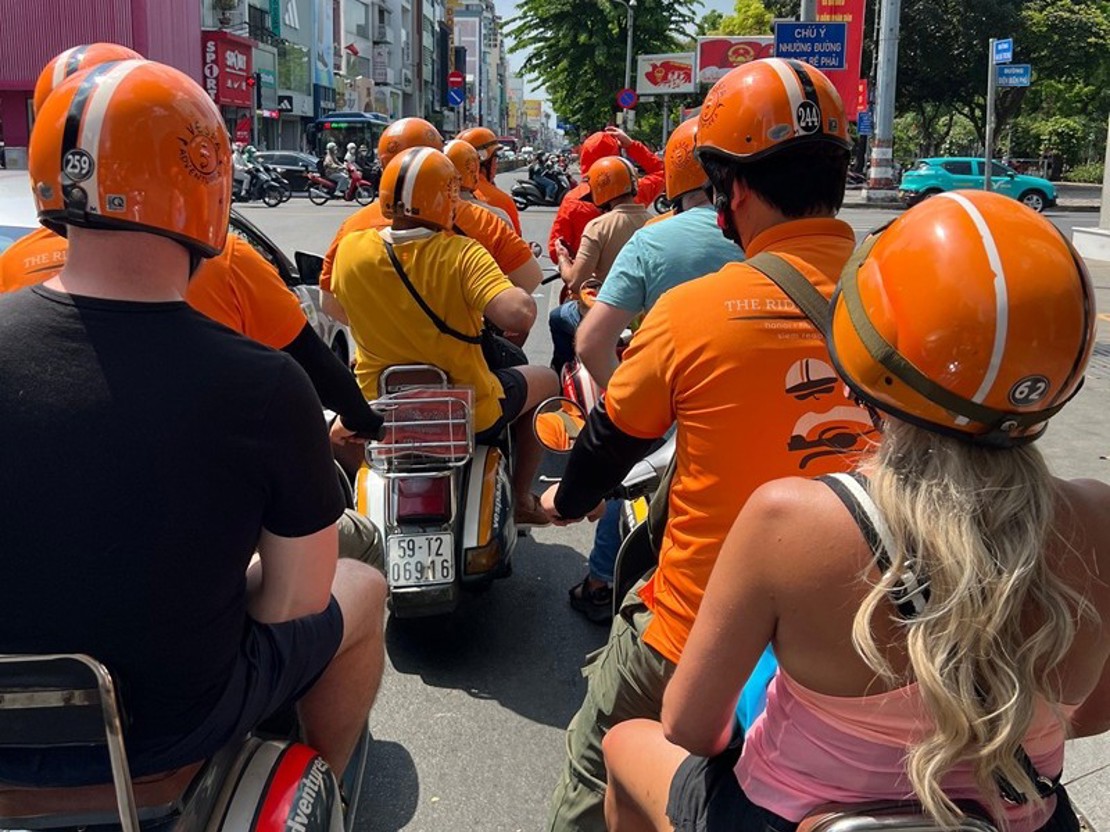
Experiencing daily life in Vietnam by Vespa
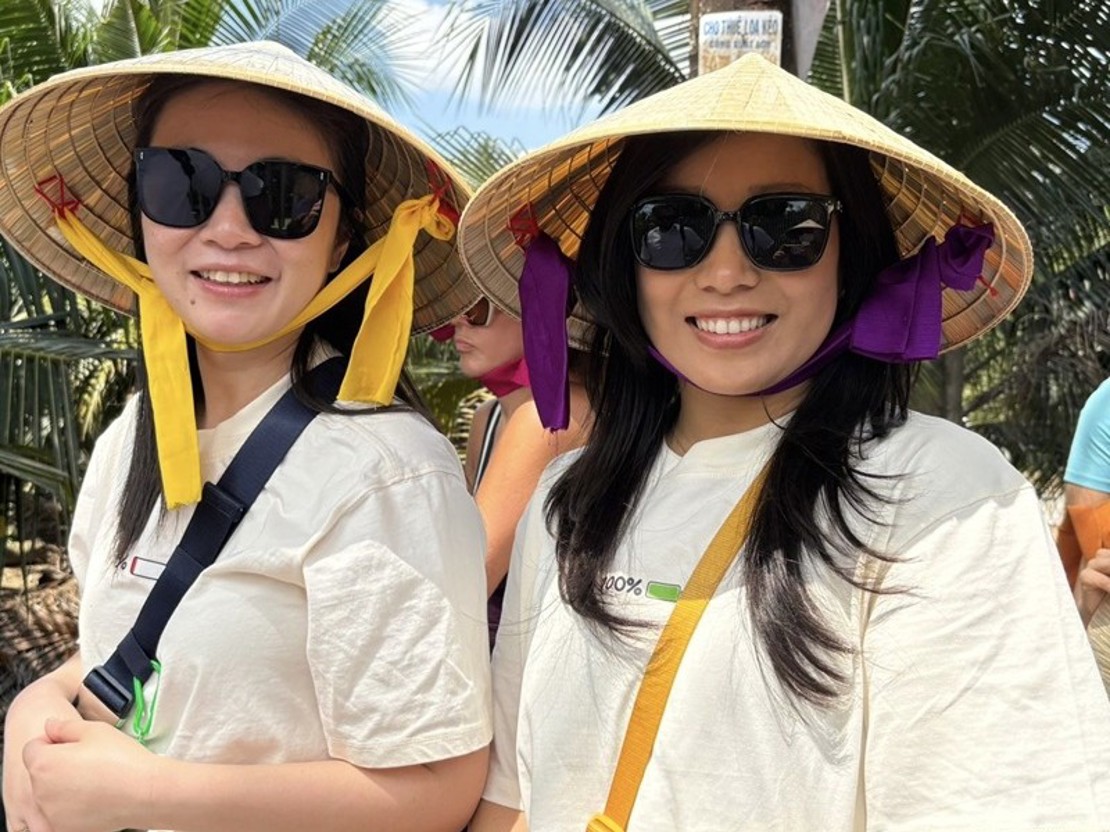
Wearing traditional Vietnamese conical hats
A group photo during a city excursion
Related Articles