


Strengthening Leadership Communication Across BMO Asia
Chris Taves | Custom Program
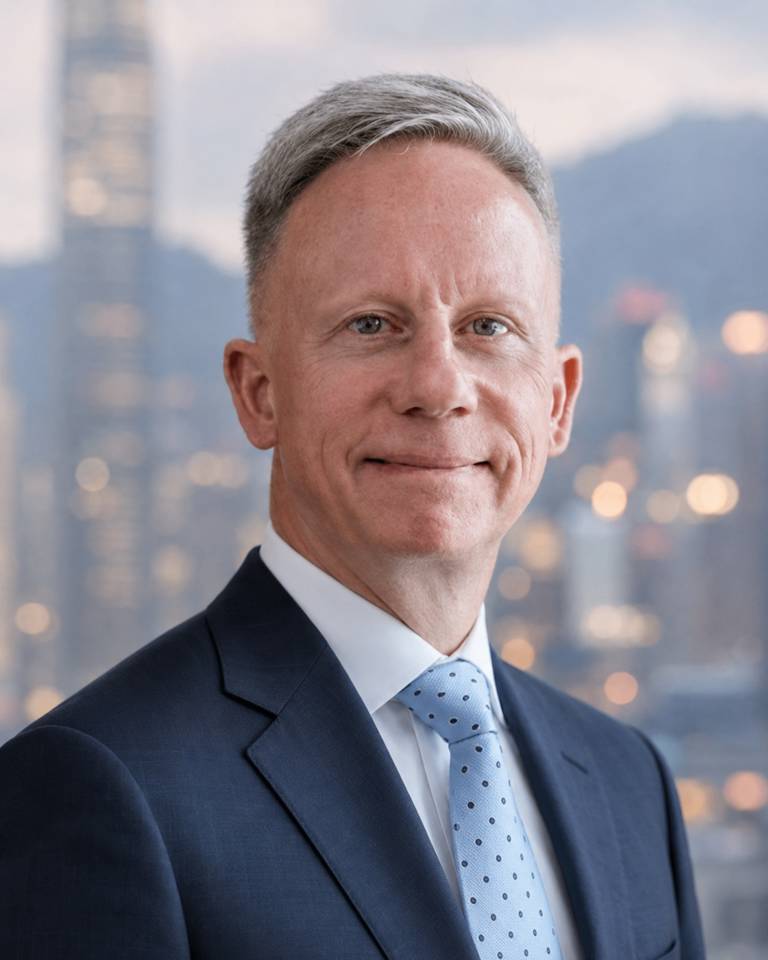
A practical leadership session helped BMO Asia leaders better understand communication styles, build alignment, and recognize their role as leaders
For Chris Taves, Head of Asia at BMO, leadership development is not only about giving people new tools. It is also about creating a shared forum where leaders can come together, reflect on how they work with others, and build confidence in their ability to lead.
In a custom Ivey Executive Education session led by Professor Kanina Blanchard, BMO Asia leaders explored social styles, communication, case studies, and applied scenarios designed to help them work more effectively with people who think, communicate, and respond differently from them.
The session created both practical and intangible value: giving participants a new language for navigating differences, reinforcing the importance of adapting communication to others, and recognizing participants as leaders within the business.
What was your experience working with Ivey to develop the program?
Ivey worked closely with us from the beginning to understand BMO’s culture, leadership priorities, and internal language. That upfront preparation helped ensure the program themes and discussions felt relevant to our organization rather than generic.
The team was also collaborative and flexible throughout the development process, adapting the program based on our input while bringing strong expertise and perspective of their own. That alignment made the experience more meaningful for participants and reinforced the value of the partnership for our Learning Team.
What stood out about the session?
The case studies and game scenarios were strong applications of the learning points. They helped reinforce some of the personality profile and social style work we had gone through before and during the session.
What stood out was that the learning was not just theoretical. It helped people better appreciate that they may need to interact with others in ways that are different from how they would naturally prefer. That is an important leadership skill, and I think it will have a lasting impression.
A number of people said, as we were leaving the session, that it was really valuable. I think the next step is to follow up with participants and ask how they are applying the learning in their day-to-day work. That will help reinforce that this is something we need to keep focusing on, rather than just treating it as a one-day session.
How have you already seen the learning show up in day-to-day leadership?
There was a situation shortly after the session where I was speaking with someone who had attended. He was having trouble getting through to another person and wanted me to push that person to get aligned with our thinking.
I referenced the social styles work from the session. The point was that the other person might respond or think differently from us. We still needed to work on alignment, but getting that person aligned might require a different approach.
For example, when someone says, “I’ll look into it,” that may be their equivalent of saying, “I’m supportive.” It is just different language and a different way of processing. Not everyone says the same things or feels the same emotions, and we need to be sensitive to that.
That was a very practical example of learning in action.
Why was the focus on social styles useful for your leaders?
It gave people a better appreciation that communication is not one-size-fits-all.
Leaders often default to the way they would want to be approached. But other people may need information, discussion, or alignment to happen differently. Some people may want to think analytically. Others may need a different kind of conversation.
The social styles work helped create a shared language for those differences. It made it easier to talk about why someone might not respond as you expect and how you can adapt your approach, rather than assuming resistance or misalignment.
The group puzzle exercise offered another valuable insight: each person brought different strengths, and achieving the best result depended on our ability to work together effectively. It was also rewarding for the winning team to celebrate its success collectively as a group of leaders. I look forward to bringing that same spirit of collaboration to our work as the business continues to grow across Asia and this leadership team reaches new heights together.
What was your view of the faculty experience?
Professor Kanina Blanchard was excellent. She was very engaging and did a strong job applying the learning to the cases.
One thing I thought was particularly effective was how she brought people into the conversation. She proactively called on participants to make sure everyone was engaged, not just a few voices in the room, but she did it without singling anyone out or making them feel awkward.
She led the session very well and helped make the learning practical.
What outcomes were you hoping to achieve?
Many of the outcomes were tied to culture: creating a safe environment, acknowledging differences, improving communication, and helping people take accountability and get things done.
There were also intangible benefits. The fact that we created a forum where these leaders could come together, and that we identified them as leaders, mattered. It recognized the importance of their roles and, I hope, gave people a confidence boost moving forward.
So there were practical tools people took from the day, but there was also value in bringing the group together and reinforcing that they are leaders.
How do you think the session will continue to create value?
The proof will be in how people apply the learning. I would like to follow up with participants and ask how they are using what we discussed in their day-to-day work.
That kind of follow-up is important because leadership development should not end when the session ends. The value comes from continuing to think about it, applying it, and making it part of how leaders communicate and work with others.
How would you summarize the experience?
I thought it worked really well. The feedback was positive, people seemed engaged, and the session gave our leaders practical ideas they could use.
I also appreciated the work that went into making it happen. It created a strong experience for the group and helped bring people onto the same page around communication, leadership, and how we work with different styles.
About Ivey Executive Education
Ivey Executive Education works with organizations to design practical, high-impact learning experiences that help leaders address real business and leadership challenges. Through expert faculty, case-based learning, applied exercises, and peer discussion, participants build tools they can use immediately with their teams and organizations.
Custom programs are designed around each organization’s context, priorities, and people, helping leaders strengthen the capabilities that matter most for performance, culture, and growth.
