Boozhoo. Anin. Biindigen (pronounced bean-dig-en) — welcome, or “come in”, in Anishinaabemowin (Ojibwe). Shé:kon (pronounced shay-go) in Kanienʼkéha. Ohen:ton Karihwatehkwen — “Words Before All Else” — as we extend an invitation to the 4th gathering of the International Academy of Research in Indigenous Management and Organizational Studies (IARIMOS).
The two-and-a-half-day gathering, held at the Wampum Learning Lodge and the Ivey Spencer Leadership Centre from October 30 to November 1, 2026, invites learning on and from the land through keynote presentations, two-eyed seeing cases, roundtables, panels and workshops that bring together leading Indigenous researchers and emerging scholars.
We also greet you in Cree (nêhiyawêwin) with Tawâw (ta-door), meaning “welcome, we have made space for you”; in Mi'kmaw with Pjila'si (be-lah-seh); in Algonquin with Kwey; in Inuktitut with Atelihai (a-te-lee-hi); in Dakota with Hau or Hau hau; and in Michif with Bonjou.
We build on the foundations of the first two stagings on Turtle Island and the third gathering in Terra Cognita Australis, Great Southern Land. The 2026 gathering advances the momentum of past years’ participants (2023, 2024 and 2025) and recentres the global conversation on organizing with nature on Indigenous ways of knowing that guide our journeys towards:
- Regeneration
- Resurgence
- Rematriation
- Reconciliation
IARIMOS 2026 will assemble leading Indigenous and non-Indigenous senior management scholars in support of a new generation of emerging scholars — doctoral students, postdoctoral and early career researchers — to explore the expanses of research in Indigenous Management and Organization Studies.
In addition to representation from Canada, Australia, New Zealand and the United States (the CANZUS nations), we seek to broaden IARIMOS’s relationships with the globe’s Indigenous custodians, and invite Indigenous researchers from Global South nations across Asia Pacific, Africa, the Caribbean and South America. Indigenous leaders and Elders’ presence at IARIMOS will contribute to research approaches that are connected to place, contribute to self-determination and are grounded in communality, ‘for the benefit of the many’.

Land Acknowledgement
In 2026, IARIMOS gathers for the first time on the traditional lands of the Anishinaabek, Haudenosaunee, Lūnaapéewak and Attawandaron. We acknowledge all the treaties that are specific to this area: the Two Row Wampum Belt Treaty of the Haudenosaunee Confederacy/Silver Covenant Chain; the Beaver Hunting Grounds of the Haudenosaunee NANFAN Treaty of 1701; the McKee Treaty of 1790; the London Township Treaty of 1796; the Huron Tract Treaty of 1827, with the Anishinaabeg; and the Dish with One Spoon Covenant Wampum of the Anishnaabek and Haudenosaunee.
As we gather at Western University, we respect the longstanding relationships that Indigenous Nations have to this land, as they are the original caretakers. We acknowledge historical and ongoing injustices that Indigenous Peoples (First Nations, Métis and Inuit) endure in Canada, and we accept responsibility as a public institution to contribute toward revealing and correcting miseducation as well as renewing respectful relationships with Indigenous communities through our teaching, research and community service.
Program
The gathering runs across four streams: Ceremonies & Plenaries (in person only; full-day pre-registration required), Research (25 minutes per team, inclusive of presentation and feedback), Practice (roundtables are by invitation only and all working sessions are in-camera) and Teaching (workshops are for pre-registered participants only).
Hybrid sessions are being recorded and produced/posted by NBS (pre-registration required for livestream access).
Select a day to view the full agenda.
| Time | Event | Track |
|---|---|---|
Time 7 - 8 a.m. | Event Land-based awakening gratitude ceremony | Track Ceremonies & Plenaries |
Time 8 - 9 a.m. | Event Breakfast | Track All |
Time 9 - 10 a.m. | Event Founders & Hosts Welcome (back) | Track Research |
Time 9 - 10 a.m. | Event Opening Provocation on Two-eyed Seeing Planetary Health & Wellbeing | Track Practice |
Time 9 - 10 a.m. | Event Ivey Publishing Welcome Panel | Track Teaching |
Time 10 - 10:15 a.m. | Event Break | Track All |
Time 10:15 a.m. - 12 p.m. | Event Paper/presenter session: Entrepreneurship & Ecosystems (A) – hybrid | Track Research |
Time 10:15 a.m. - 12 p.m. | Event Two-eyed Seeing Planetary Health & Wellbeing Roundtable – Part 1 | Track Practice |
Time 10:15 a.m. - 12 p.m. | Event Case Teaching/Writing Workshop 1.0 | Track Teaching |
Time 12 - 1 p.m. | Event Lunch (Research, Practice and Teaching track tables) | Track All |
Time 1 - 2:45 p.m. | Event Paper/presenter session: Entrepreneurship & Ecosystems (B) – in person only | Track Research |
Time 1 - 2:45 p.m. | Event Two-eyed Seeing Planetary Health & Wellbeing Roundtable – Part 2 | Track Practice |
Time 1 - 2:45 p.m. | Event Case Teaching/Writing Showcase 1.0 | Track Teaching |
Time 2:45 - 3 p.m. | Event Break | Track All |
Time 3 - 4 p.m. | Event New ideas & emerging insights on: Entrepreneurship & Ecosystems | Track Research |
Time 3 - 4 p.m. | Event Two-eyed Seeing Planetary Health & Wellbeing – Highlights & Policy Brief | Track Practice |
Time 3 - 4 p.m. | Event Fellow-mentor feedback circle | Track Teaching |
Time 4 - 4:30 p.m. | Event Break | Track All |
Time 4:30 - 5 p.m. | Event Land Acknowledgement with Alizabeth George-Antone | Track Ceremonies & Plenaries |
Time 5 - 6:30 p.m. | Event Keynote panel with Christy Bressette and Nicole Haggerty | Track Ceremonies & Plenaries |
Time 6:30 - 8 p.m. | Event Dinner | Track Ceremonies & Plenaries |
Time 8 - 9:30 p.m. | Event International movie night: Documentaries with Indigenous movie makers – hybrid | Track Ceremonies & Plenaries |
| Time | Event | Track |
|---|---|---|
Time 7 - 8 a.m. | Event Land-based fall letting go ceremony | Track Ceremonies & Plenaries |
Time 8 - 9 a.m. | Event Breakfast | Track All |
Time 9 - 10 a.m. | Event Editors’ Panel and Call for Papers – hybrid | Track Research |
Time 9 - 10 a.m. | Event Opening Provocation on Two-eyed Seeing Entrepreneurship & Ecosystems | Track Practice |
Time 9 - 10 a.m. | Event Indigenous Case Teachers/Writers & Allies Panel – Part 1 | Track Teaching |
Time 10 - 10:15 a.m. | Event Break | Track All |
Time 10:15 a.m. - 12 p.m. | Event Paper/presenter session: Regeneration (A) – hybrid | Track Research |
Time 10:15 a.m. - 12 p.m. | Event Two-eyed Seeing Entrepreneurship & Ecosystems Roundtable – Part 1 | Track Practice |
Time 10:15 a.m. - 12 p.m. | Event Case Teaching/Writing Workshop 2.0 | Track Teaching |
Time 12 - 1 p.m. | Event Lunch (Research, Practice and Teaching track tables) | Track All |
Time 1 - 2:45 p.m. | Event Paper/presenter session: Regeneration (B) – in person only | Track Research |
Time 1 - 2:45 p.m. | Event Two-eyed Seeing Entrepreneurship & Ecosystems Roundtable – Part 2 | Track Practice |
Time 1 - 2:45 p.m. | Event Case Teaching/Writing Showcase 2.0 – hybrid | Track Teaching |
Time 2:45 - 3 p.m. | Event Break | Track All |
Time 3 - 4 p.m. | Event New ideas & emerging insights on: Regeneration | Track Research |
Time 3 - 4 p.m. | Event Two-eyed Seeing Entrepreneurship & Ecosystems – Highlights & Policy Brief | Track Practice |
Time 3 - 4 p.m. | Event Fellow-mentor feedback circle | Track Teaching |
Time 4 - 4:30 p.m. | Event Break | Track All |
Time 4:30 - 6:30 p.m. | Event Halloween Alternative: “Trick & Treating” – in person only | Track Ceremonies & Plenaries |
Time 6:30 - 8 p.m. | Event Dinner | Track Ceremonies & Plenaries |
Time 8 - 9:30 p.m. | Event Music night: Drumming circle with Veronica Johnny – in person only | Track Ceremonies & Plenaries |
| Time | Event | Track |
|---|---|---|
Time 7 - 8 a.m. | Event Land-based kin reflection | Track Ceremonies & Plenaries |
Time 8 - 9 a.m. | Event Breakfast | Track All |
Time 9 - 10 a.m. | Event Two-eyed Seeing Methodologies Panel – hybrid | Track Research |
Time 9 - 10 a.m. | Event Opening Provocations on Two-eyed Seeing Governance | Track Practice |
Time 9 - 10 a.m. | Event Indigenous Case Teachers/Writers & Allies Panel – Part 2 | Track Teaching |
Time 10 - 10:15 a.m. | Event Break | Track All |
Time 10:15 a.m. - 12 p.m. | Event Paper/presenter session: Kinship and Kincentricity (A) – hybrid | Track Research |
Time 10:15 a.m. - 12 p.m. | Event Two-eyed Seeing Governance Roundtable – Part 1 | Track Practice |
Time 10:15 a.m. - 12 p.m. | Event Case Teaching/Writing Workshop 3.0 – in person only | Track Teaching |
Time 12 - 1 p.m. | Event Lunch (Research, Practice and Teaching track tables) | Track All |
Time 1 - 2:45 p.m. | Event Paper/presenter session: Kinship and Kincentricity (B) – in person only | Track Research |
Time 1 - 2:45 p.m. | Event Two-eyed Seeing Governance Roundtable – Part 2 | Track Practice |
Time 1 - 2:45 p.m. | Event Case Teaching/Writing Showcase 3.0 – hybrid | Track Teaching |
Time 2:45 - 3 p.m. | Event Break | Track All |
Time 3 - 4 p.m. | Event New ideas & emerging insights on: Kinship & Kincentricity | Track Research |
Time 3 - 4 p.m. | Event Two-eyed Seeing Governance – Highlights & Policy Brief | Track Practice |
Time 3 - 4 p.m. | Event Fellows’ Showcase | Track Teaching |
Time 4 - 4:30 p.m. | Event Break | Track All |
Time 4:30 - 6:30 p.m. | Event Closing Ceremony | Track Ceremonies & Plenaries |
Time 6:30 - 8 p.m. | Event Feast | Track Ceremonies & Plenaries |
Time 8 - 9:30 p.m. | Event Fireside allyship circle: Future events, grants, & collaborations | Track Ceremonies & Plenaries |
Featured speakers
Keynote speakers
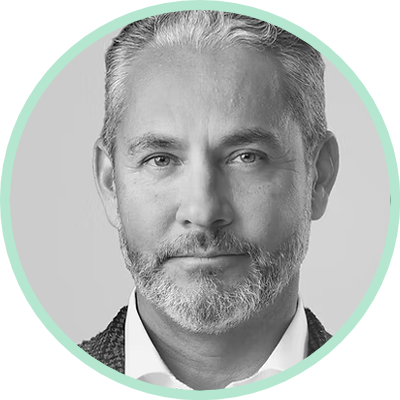
JP GLADU
Mokwateh
JP Gladu is the Principal of Mokwateh and is dedicated to creating innovative partnerships and solutions that unlock equitable opportunities for Indigenous and non-Indigenous business communities. An Anishinaabe leader from Sand Point First Nation on Lake Nipigon, Ontario, JP brings nearly 35 years of experience in the natural resource sector, working with Indigenous communities and organizations, environmental non-government organizations, industry, and governments across Canada and internationally.
He currently serves on the boards of Suncor and Superior Plus. He also sits on Domtar’s Sustainability Committee, BHP’s Forum for Corporate Responsibility, and the Major Projects Office Indigenous Advisory Committee. His leadership has been recognized by the Public Policy Forum as a 2024 Honouree and through the 2024 Premier’s Award for outstanding Ontario college graduates in business.
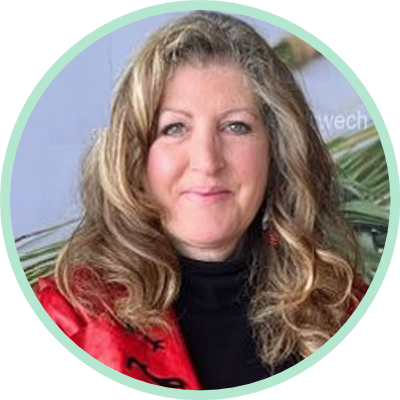
Angela (Aazhaniiz) MARK
CCIB
Angela (Aazhaniiz) Mark is a proud Anishinaabekwe registered with Garden River First Nation and Director of Research at CCIB. With over 30 years of experience as an entrepreneur, Angela's personal journey to reclaim her Anishinaabe language led her to Trent University where she achieved a Bachelor of Arts Honours degree in Indigenous Studies. Combining her passion for business with reclaiming her culture, Angela's research focused on Indigenous Entrepreneurship.
Angela has led influential work on Indigenous women's entrepreneurship on Turtle Island and international engagement with Indigenous women's collectives in Oaxaca, Mexico, and dialogues representing CCIB in Belem, Brazil, and Quito, Ecuador. Under her leadership, CCIB's research spans critical areas such as Indigenous leadership and governance, procurement, Indigenous Intellectual Property, major projects, and Indigenous financial well-being, among others, supporting stronger, self-determined Indigenous economies across Canada.
IARIMOS 2026 Conference Committee
We (listed below in alphabetical order) much look forward to you joining this growing circle.
Co-chairs
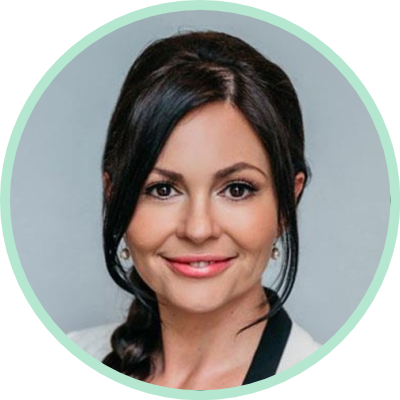
Oana Branzei
Ivey Business School
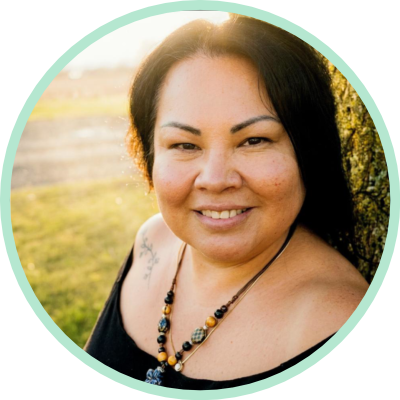
Alizabeth George-Antone
IARIMOS International Advisory Circle
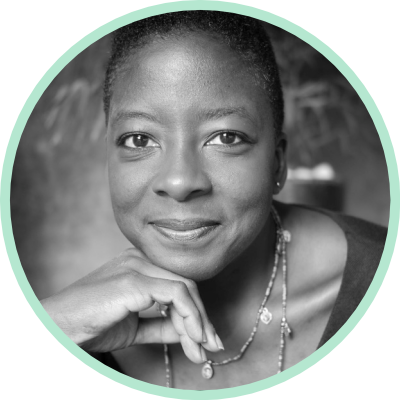
Naida Culshaw
Business Sense Consulting
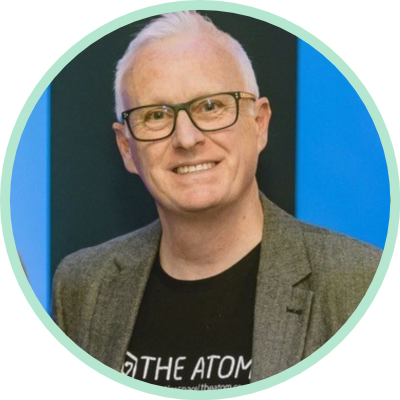
Stephen Cummings
University of Sydney
Leanne Cutcher
University of Sydney

Michelle Evans
University of Melbourne
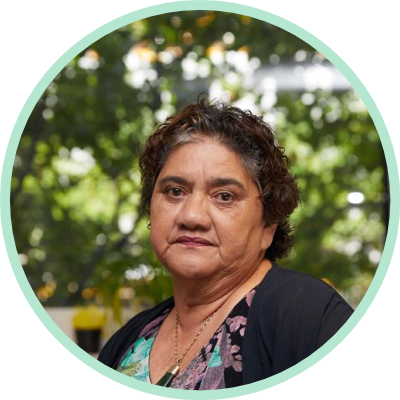
Ella Henry
Auckland University of Technology
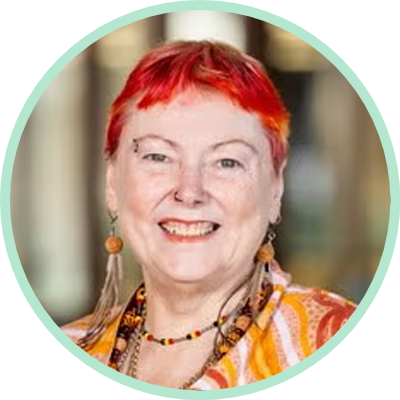
Sharlene Leroy-Dyer
University of Queensland
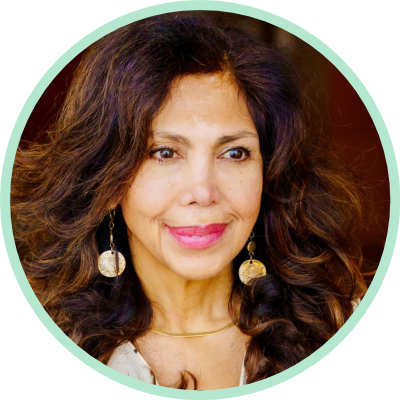
Ana Maria Peredo
University of Ottawa
Ivey / Western

Krystal Abotossaway
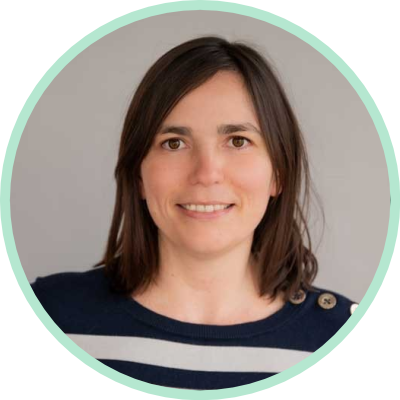
Diane-Laure Arjaliès
Ivey Business School

James Arreak

Julie Bernard
Ivey Business School
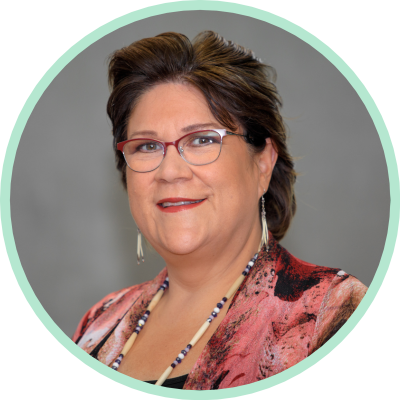
Christy Bressette
Western University

Gareth Gransaull
Nicole Haggerty
Ivey Business School
Bill Hill
Erin Huner
Ivey Business School
Clint Jacobs
Pernell Jones
Zoe Kinias
Ivey Business School

Devon Krainer
Firman Latimer
Lara Liboni
Ivey Business School
Andrew Manitowabi
Desmond Moser
Western University
Shelley Price
Amelia Pruchnicki

Amy Silva
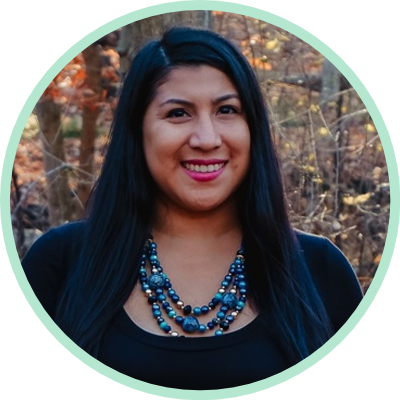
Sam Whiteye
Canada
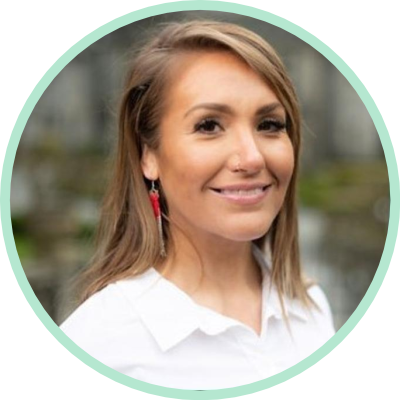
Tasha Brooks
Mary-Beth Doucette
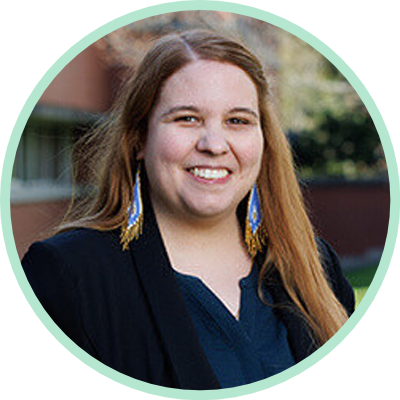
Jordyn Hrenyk
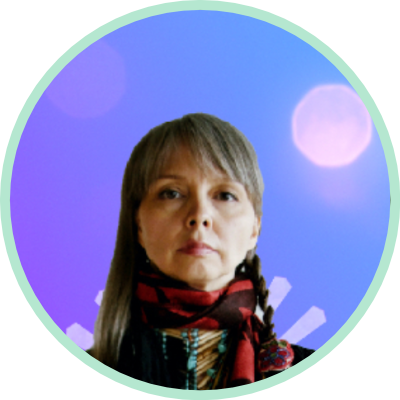
Veronica Johnny
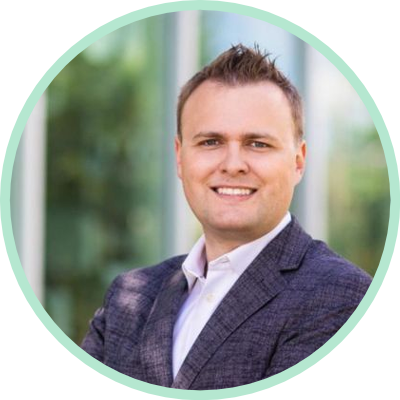
Andrew Karesa
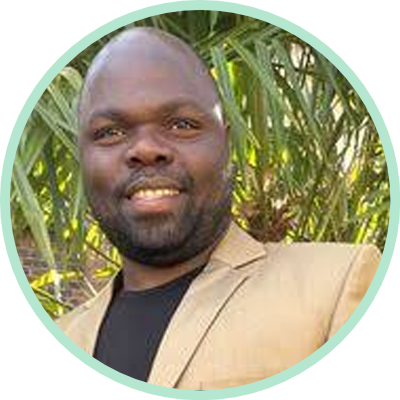
Peter Musinguzi
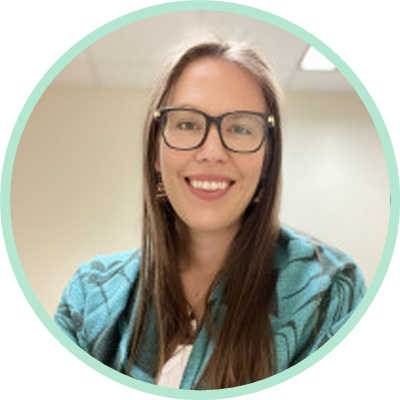
Emily Salmon

Charlie Wall-Andrews
Call for Papers
We welcome IARIMOS submissions from emerging scholars, demonstrating research approaches that both theoretically and in practice demonstrate ‘for, with and by’ in Indigenous enterprise, management, organization and entrepreneurship, especially those intersecting with ideas of regeneration, reconciliation, resurgence and rematriation. Indigenous researchers and accompanying co-authors are welcomed from around the globe!
Our call for papers embraces a wide range of methodologies, topics, interests and challenges. Submissions may draw on work-in-progress as part of a thesis, a project for publication, or a new project related to any of IARIMOS’s broad subject areas, which include but are not limited to:
- Addressing Indigenous issues in management and organizations from a global or international perspective
- How Indigenous political, economic and social systems contribute to our understanding of relevant factors that inhibit or enhance Indigenous prosperity
- Indigenous peoples in organisations, entrepreneurship and leadership
- Indigenous community-based enterprises
- Indigenous ways of knowing and doing
- Research methods or the application of Indigenous methodologies, ontologies and epistemologies, such as yarning, Indigenous Lens and two-eyed seeing, concepts related to braiding and two-row wampum, and Indigenous-led research, etc.
- The Indigenisation of organizations from public to private and impact on individuals, teams, communities, organisations and regions
- The negative side of Indigenous reconciliation, research, management and organising
- Indigenous entrepreneurship across all of its forms and processes
- Indigenous social justice issues, ethics and organizing against the backdrop of neoliberalism
- Community, collective, cooperative and prosocial organizing from an Indigenous perspective
- The nature of, and the pros and cons of, Indigenous identity within academia
- Indigenous peoples, grand challenges and sustainable development goals
What to submit: (i) a 1,000-word summary (excluding references and supporting materials) and (ii) a CV. Reports, oral stories and creative works are welcome.
How to submit: Send your submission package to the 2026 chair at obranzei@ivey.ca. The deadline for submissions is October 15, 2026.
Join the circle
Learn more about IARIMOS and past gatherings, or send your submission to the 2026 chair.