
Choosing Ivey
I have always been competitive, but it took coming to Ivey for me to understand how to turn that drive into real momentum. When I was weighing graduate programs, I wanted an environment that demanded excellence, surrounded me with ambitious people, and pushed me to master skills that matter in the analytics world.
Friends who completed the MSc program before me played a big role in my decision. They spoke highly of the alumni network, career support, and the personal growth they experienced. Their endorsement carried weight. They said Ivey was the best decision they had made, and they encouraged me to take the same leap.
The Ivey Classroom
The case method was the deciding factor. Coming from a biomedical sciences background filled with large lecture halls and exams that rewarded memorization, I wanted something that forced me to take a multifaceted approach to the issues at hand. Ivey delivered exactly that.
Every class demands preparation and participation. You learn by debating real business problems with high-performers, not by quietly watching slides. The environment keeps you sharp. The discussions force you to think critically and articulate insights clearly. The people sitting beside you push you to grow.
Building Analytical Strength
The Business Analytics stream accelerated my technical skillset faster than I expected. Access to platforms like Datacamp and RocketBlocks helped me build strong foundations in Python, R, SQL, modeling, visualization, and the ability to tie all of these tools together in a business case. Each course added a different layer of analytical thinking and technical depth.
Business Statistics introduced me to the fundamentals of R, hypothesis testing, regression modeling, and data interpretation. Data Management pushed me deeper into SQL, schema design, data warehousing concepts, and best practices for cleaning and transforming messy datasets. Art of Modelling and Simulation & Risk Analysis strengthened my understanding of simulation, optimization, and decision analysis, giving me the ability to quantify uncertainty and evaluate tradeoffs.
Even courses outside the strictly technical ones played a role. Business Communications taught me how to communicate complex insights in a way that influences decisions, while Digital Transformation showed me how organizations adopt analytics and modern data systems at scale. Together, these courses connected tools with real business value and helped me understand the full lifecycle of analytical problem-solving: cleaning data, structuring databases, modeling outcomes, and translating outputs into recommendations that matter.
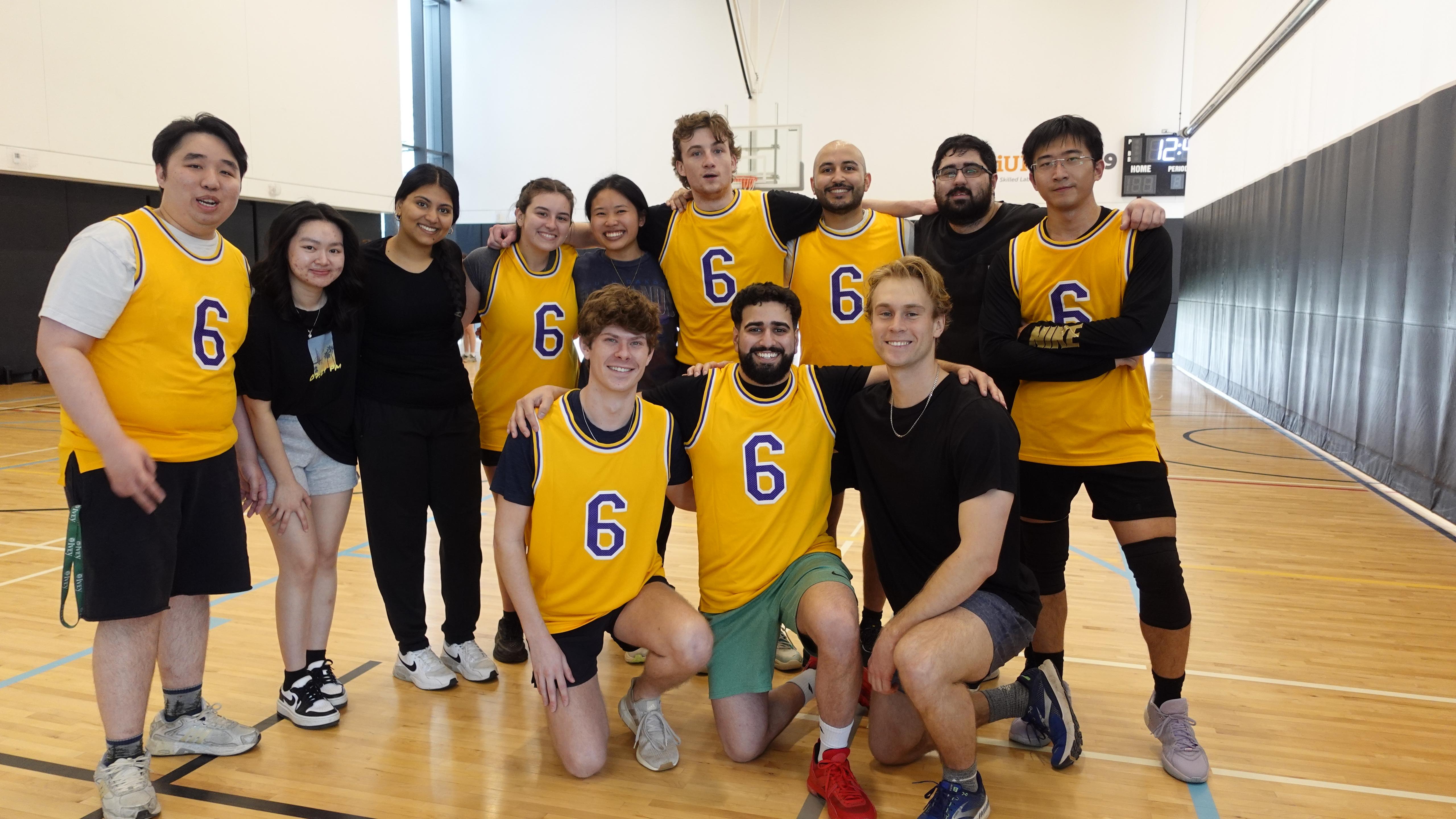
A major part of the learning came from the cohort. Working with classmates from engineering, economics, and health sciences made every assignment richer. Everyone approached problems differently, which forced me to see beyond my own perspective. The shared ambition of the group kept the pace high and created an environment where continuous learning felt natural.
Impact-Driven IAL
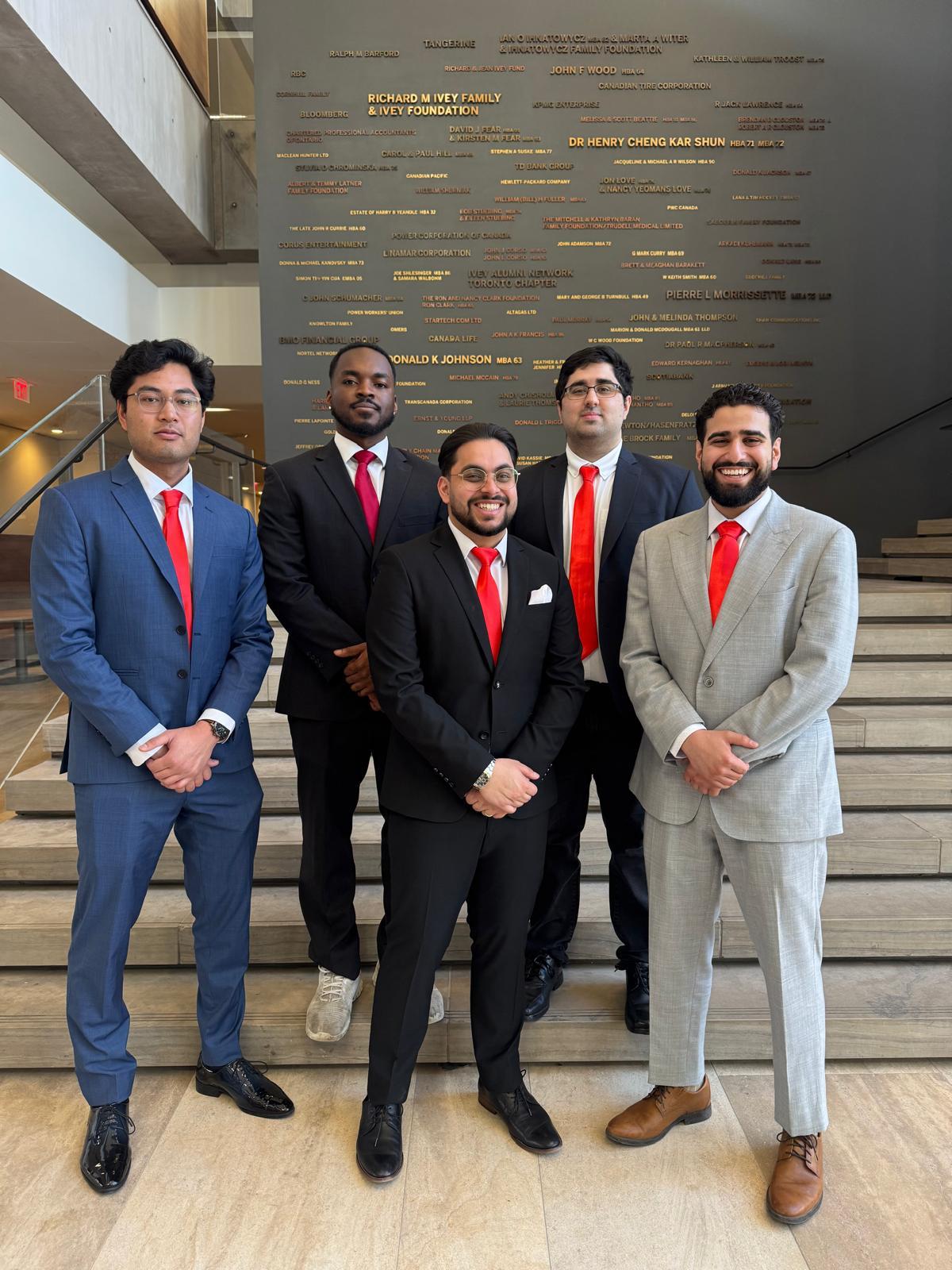
My IAL internship with Richmond Capital Partners gave me the opportunity to apply my analytical training to real operational problems. Working closely with ClinicLine, a Toronto-based health-tech company in the firm’s portfolio, I focused on identifying workflow inefficiencies across inbound calls, fax processing, and administrative tasks that were slowing clinics down.
I analyzed large volumes of anonymized call and fax logs to pinpoint patterns in wait times, documentation bottlenecks, and peak-time workload spikes. Using Python and Excel, I developed dynamic dashboards used to guide the engineering team’s AI product strategy, aimed to streamline administrative tasks, improve triage accuracy, and reduce the burden on front-desk staff.
This internship strengthened more than my technical skills. It taught me how to frame ambiguous problems, break them into solvable components, and prioritize solutions based on impact rather than complexity. I learned how to communicate insights clearly to founders and senior stakeholders who needed clarity, direction, and action, not technical jargon. The pace of the work pushed me to think fast, own my recommendations, and adapt quickly. This experience gave me the confidence to speak about real value I had created through analytics during recruiting season.
The Ivey Network
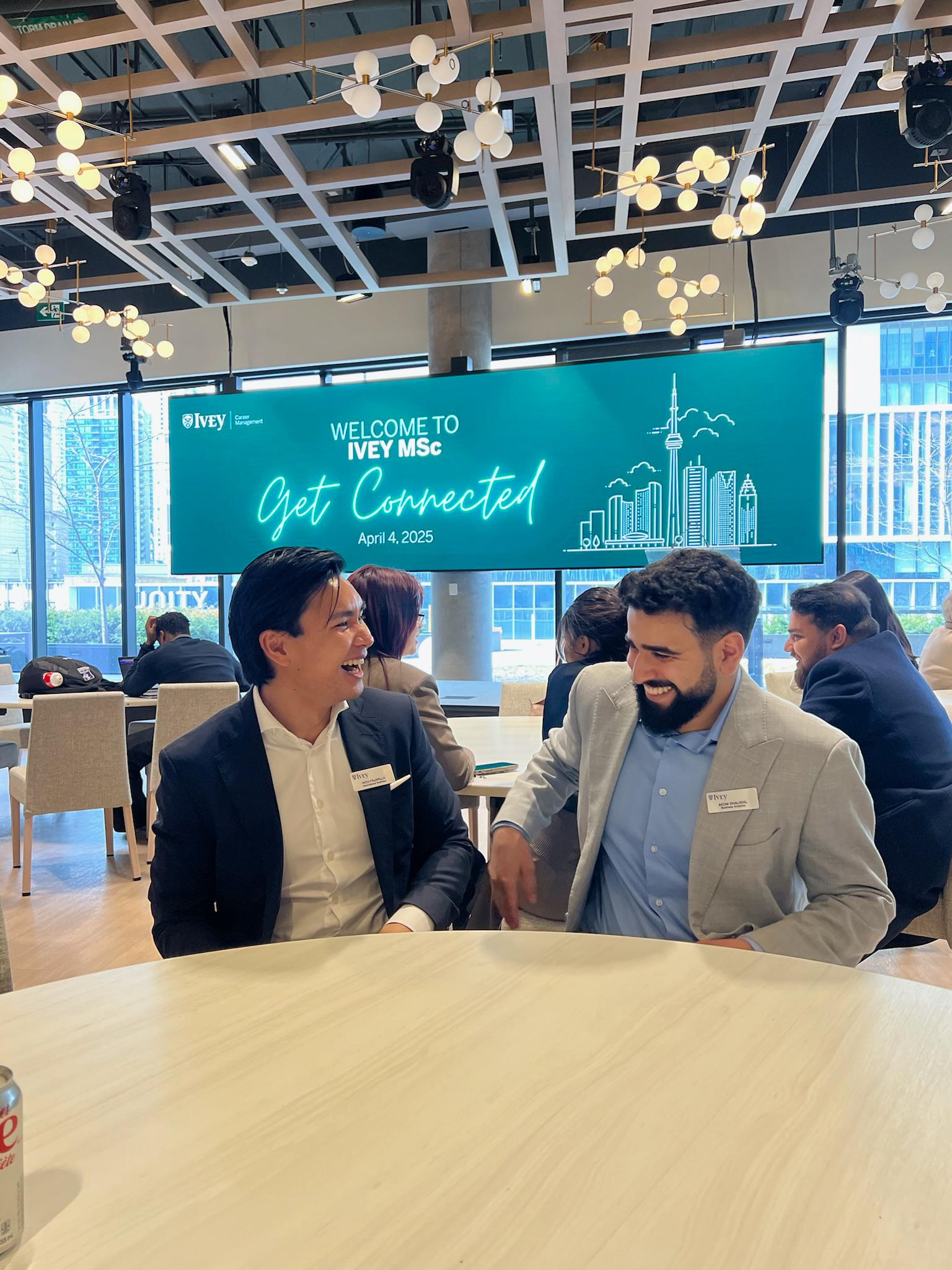
Community is one of Ivey’s greatest strengths. As an MSc Ambassador and VP of Communications with the Ivey MScA, I help incoming students navigate the same transition I went through and contribute to shaping the culture of the program. Events like Get Connected and the Spring Hiring Fair connected me with managers and alumni across finance, analytics, and tech who have become mentors and ongoing resources.
The network is active, generous, and deeply invested in helping students grow.
Looking Forward
Ivey has been more than an academic experience. It sharpened my analytical thinking, expanded my opportunities, and surrounded me with a community of people who want to see each other succeed. It taught me how to channel my competitive nature in a productive, meaningful way.
I am excited to build on this momentum and apply my drive, curiosity, and analytical mindset to the next challenges in front of me.